Skip to content





10 Products
Buy LED plant lamps with full spectrum
Too little daylight slows down every plant project - in winter, in the north room and when growing on the windowsill. A suitable plant lamp provides exactly the light spectrum that your plants need to grow. Below you can see... Mehr lesen
Too little daylight slows down every plant project - in winter, in the north room and when growing on the windowsill. A suitable plant lamp provides exactly the light spectrum that your plants need to grow. Below you can see the entire range, here are the most important answers about selection, performance and operation.
Buy a plant lamp – optimal light for vigorous growth
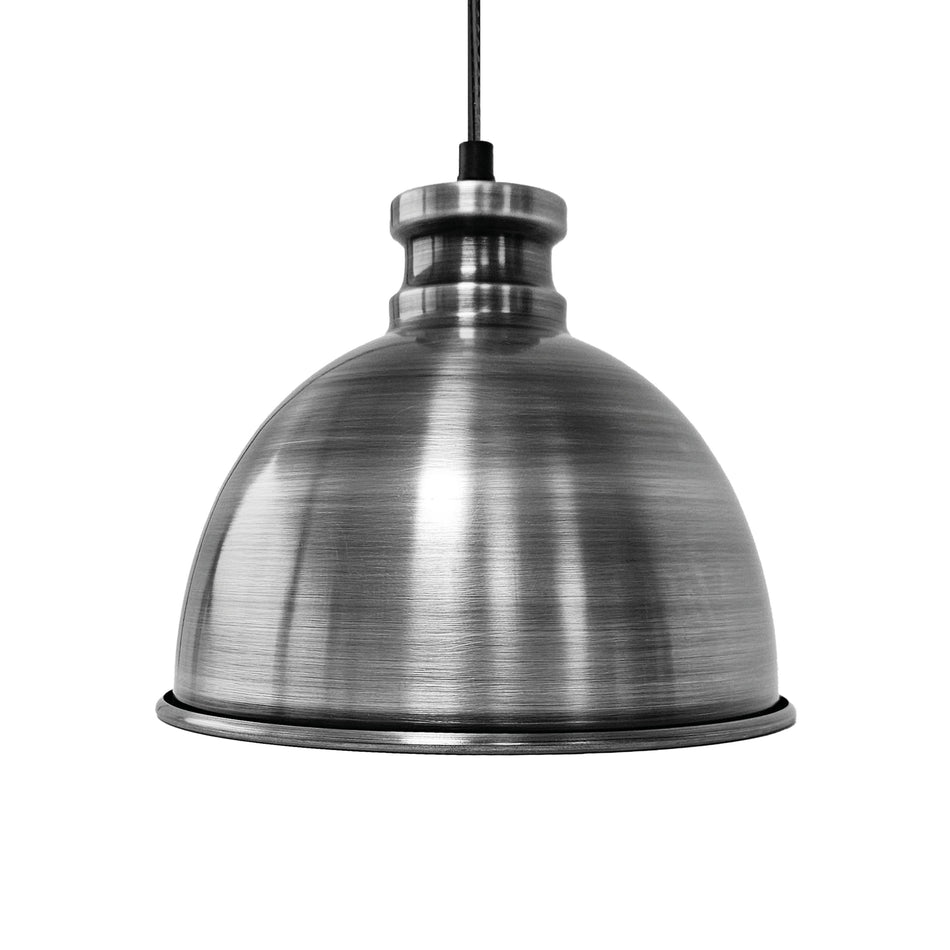
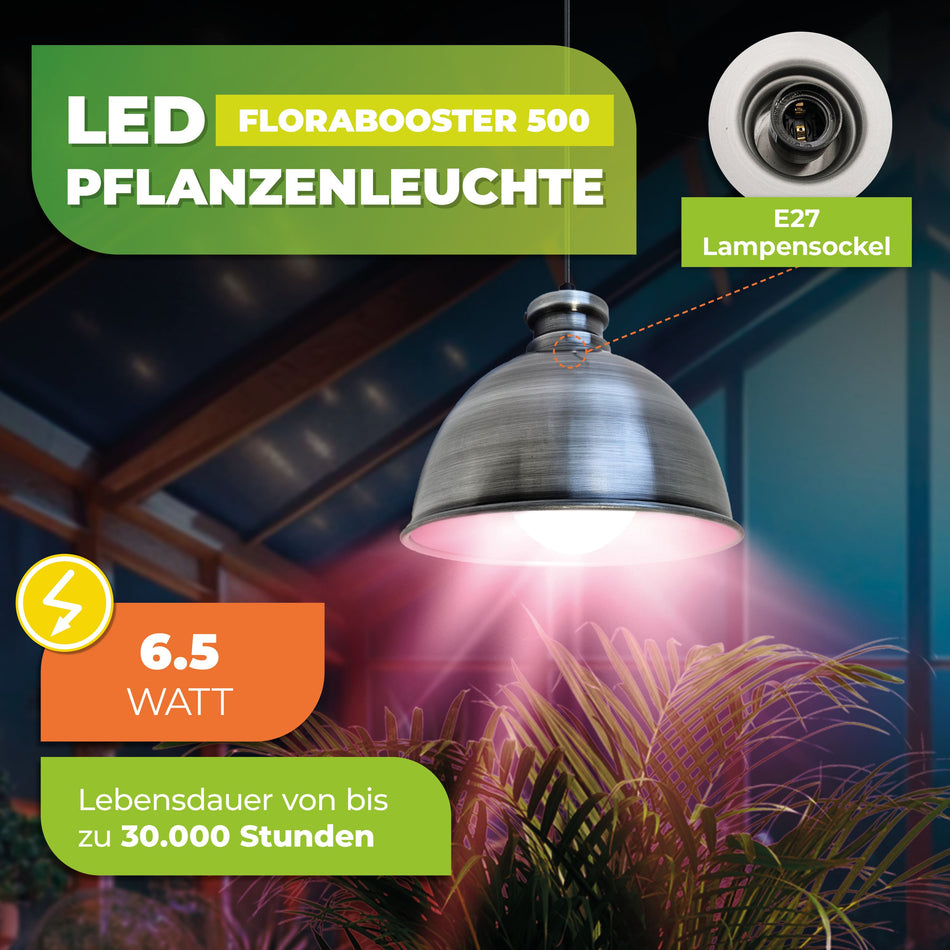
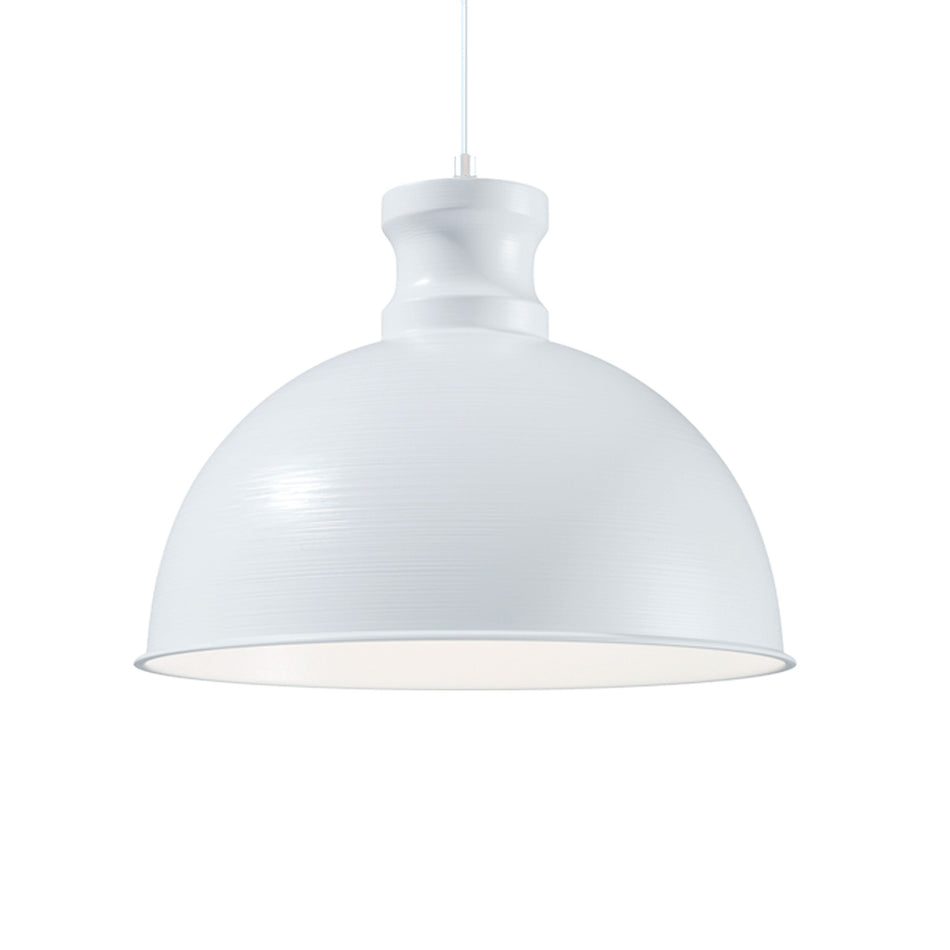
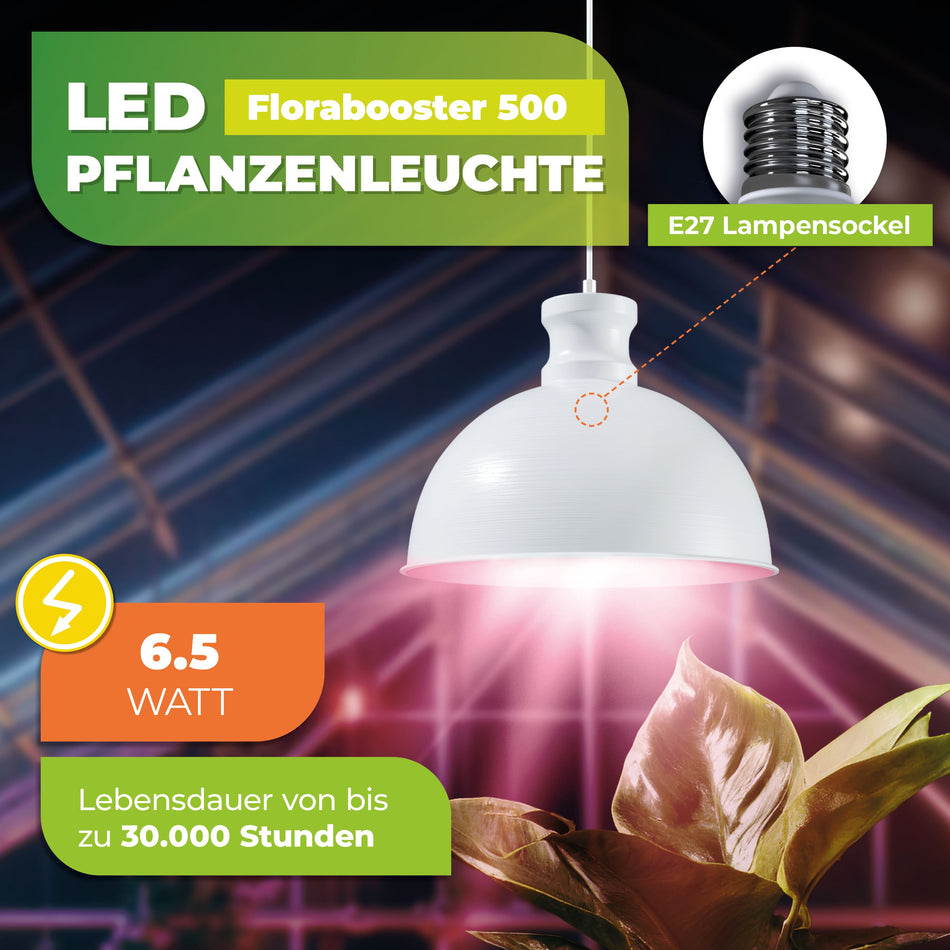
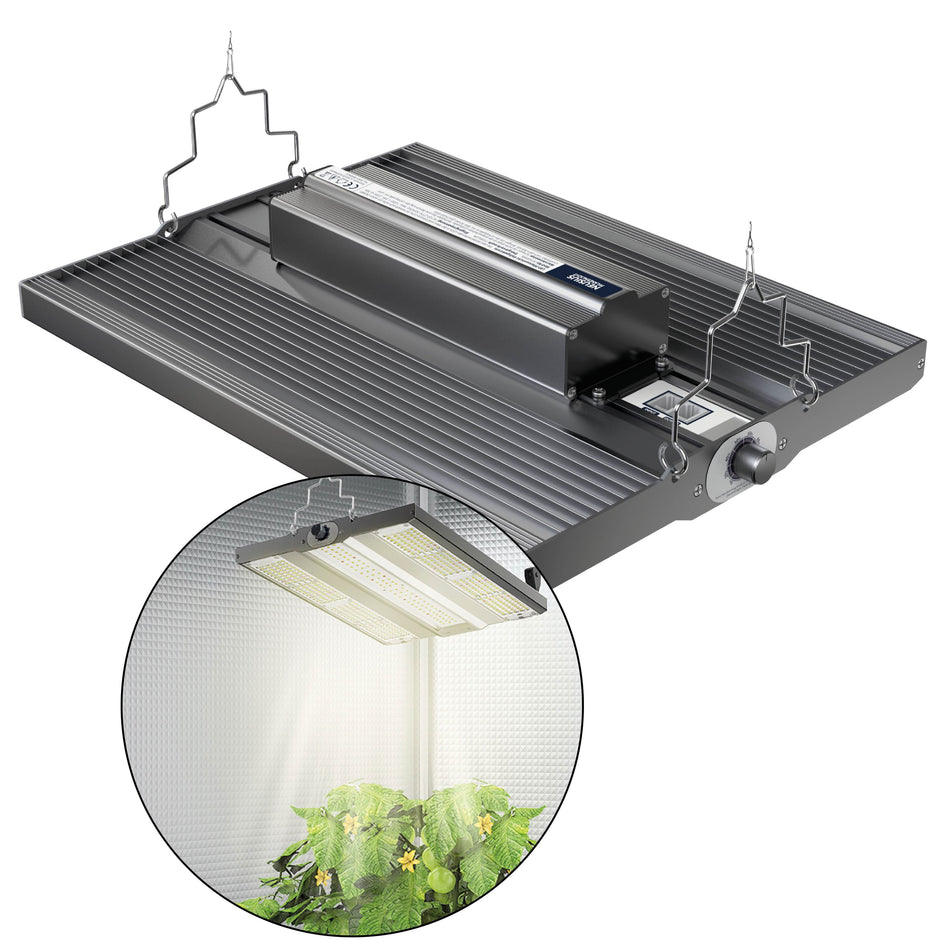
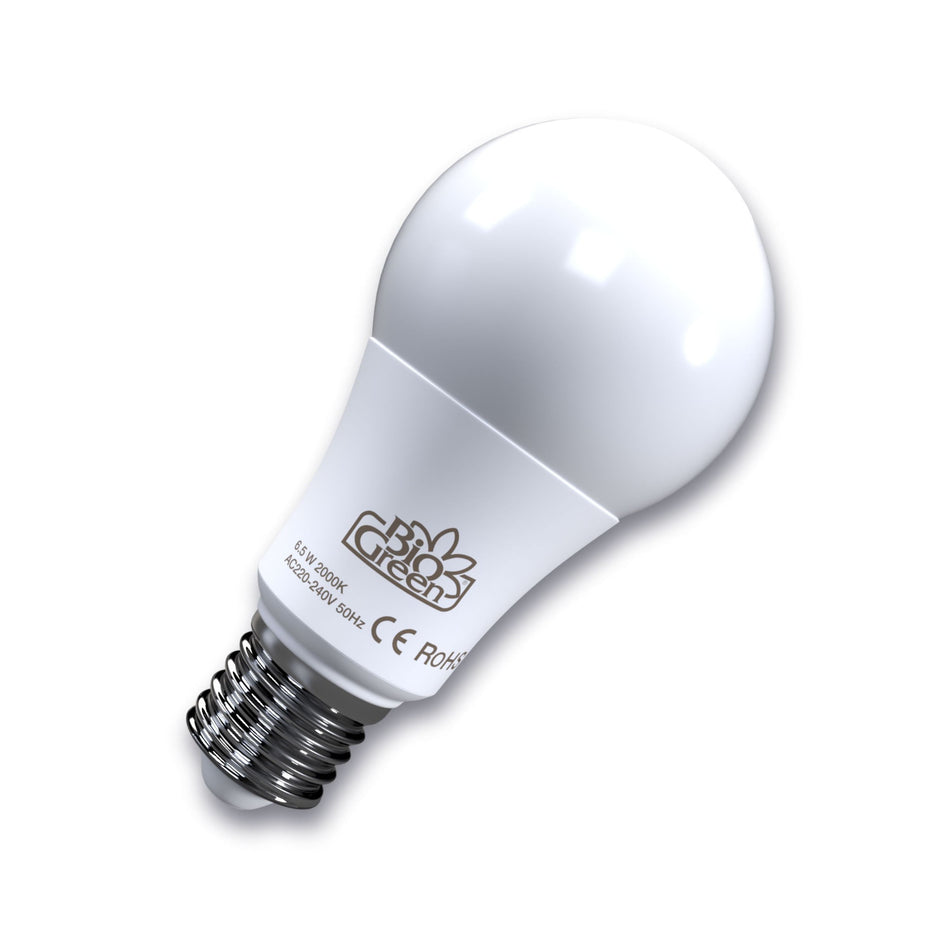
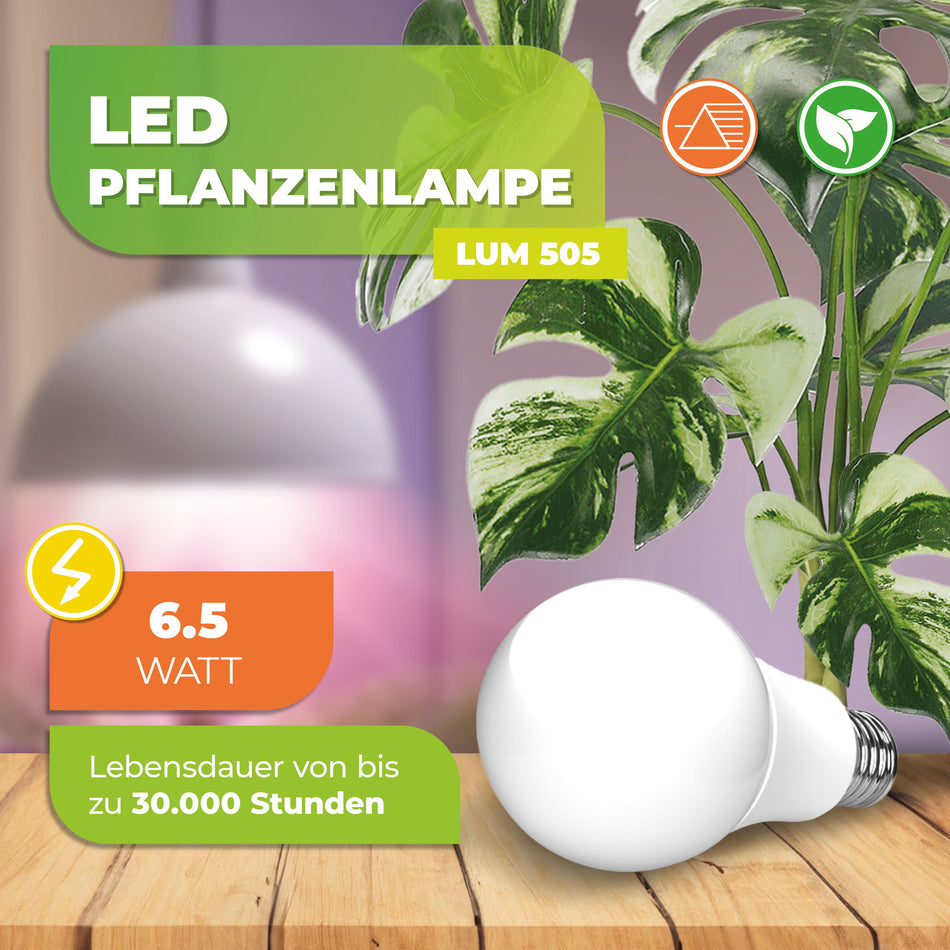
At BioGreen you will find full spectrum LED plant lamps in every size class: from the compact 6.5 watt lamp with an E27 socket for individual house plants to light strips for seed trays to the dimmable panel with 240 watts for beds, plant shelves and large potted plants. Many models are dimmable and come with a switching timer - just plug it in, set the lighting duration, and you're done.
Full spectrum LEDa light for growth and blossoming
Dimmable with switching timerintegrated into many models
6.5 to 240 wattsfrom the windowsill to the bed
Matching accessoriesStands and more
TipIf you are unsure, choose a full-spectrum dimmable bulb. It covers cultivation, houseplants and wintering with one device - you adjust the intensity down instead of buying a second lamp.
Plant lamp: which light for what?
Plants primarily use blue (around 400-500 nm) and red (around 620-700 nm). Blue ensures compact growth and dense leaves, red promotes stretching, buds and flowering. Green and yellow components are used to a lesser extent, but make the light pleasantly white instead of purple - which is why modern full-spectrum lamps no longer appear purple. Pure blue light is only worthwhile for cultivation, pure red light only for cultures that are already blooming.
How long should a plant lamp light up?
Guideline values: Houseplants 10-12 hours a day, cultivation and young plants 14-16 hours, plants in winter quarters 8-10 hours. The decisive factor is the dark phase of at least 6 hours, in which cell elongation and metabolism continue - continuous light is harmful to most species. A timer or a model with an integrated timer takes care of switching on and off for you.
Correctly classify lumens, lux and Kelvin
Lumen and lux describe how bright light appears to the human eye - for plants, the PPFD value in µmol/s is more meaningful. As a guide: Shade-tolerant houseplants can cope at around 5,000 lux, herbs and vegetables need 10,000-20,000 lux. The usable color temperature range is between 4,000 and 6,500 Kelvin; Warm white looks more pleasant in the living room, cold white has a slightly more growth-emphasized effect.
How close and how high above the plant to mount?
The distance determines how much light actually arrives: just 10 cm less distance increases the intensity significantly. Small E27 lamps hang 15-30 cm above the plant, light strips for cultivation 20-40 cm, strong panels from 100 watts 40-70 cm. Bleached or curled leaves mean: too close. Long, thin shoots reaching towards the lamp: too far away or too briefly illuminated.
InfoA plant grows more actively under artificial light - it uses more water and needs nutrients during the growth phase. After setting up the lamp, check the soil more often than before.
How many watts does a plant lamp need per area?
Calculate the real power consumption of modern LEDs, not the comparison figures of old fluorescent tubes. As a guide for full spectrum LED:
- 40×40cm: 30-60 watts for growing, herbs and salad
- 60×60cm: 60-100 watts for indoor and green plants
- 100×100cm: from 200 watts, more for fruit vegetables
A dimmable model at the upper end of the recommendation is the most flexible choice: you turn it down when growing and later use the full power.
Plant lamp for large plants and potted plants
With tall plants, the first problem is not the wattage, but the distribution - light from above barely reaches the lower leaves. It makes sense to have a wide-angle panel with 120 to 240 watts at a sufficient height or two smaller lamps that illuminate the crown offset to the side. Lemon and olive trees, palm trees and other potted plants in winter quarters need 8-10 hours of light per day so that they do not rot or drop leaves. Stands and suspensions from the range ensure stable installation.
Which plant lamp for growing tomatoes and vegetables?
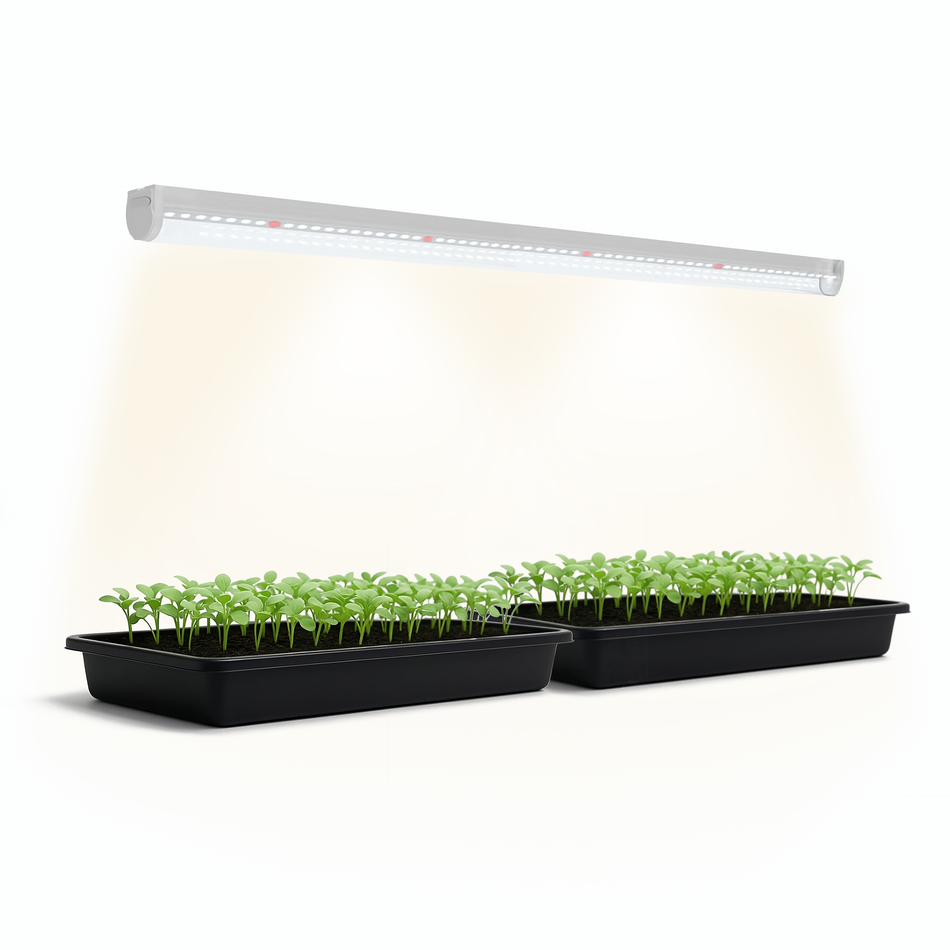
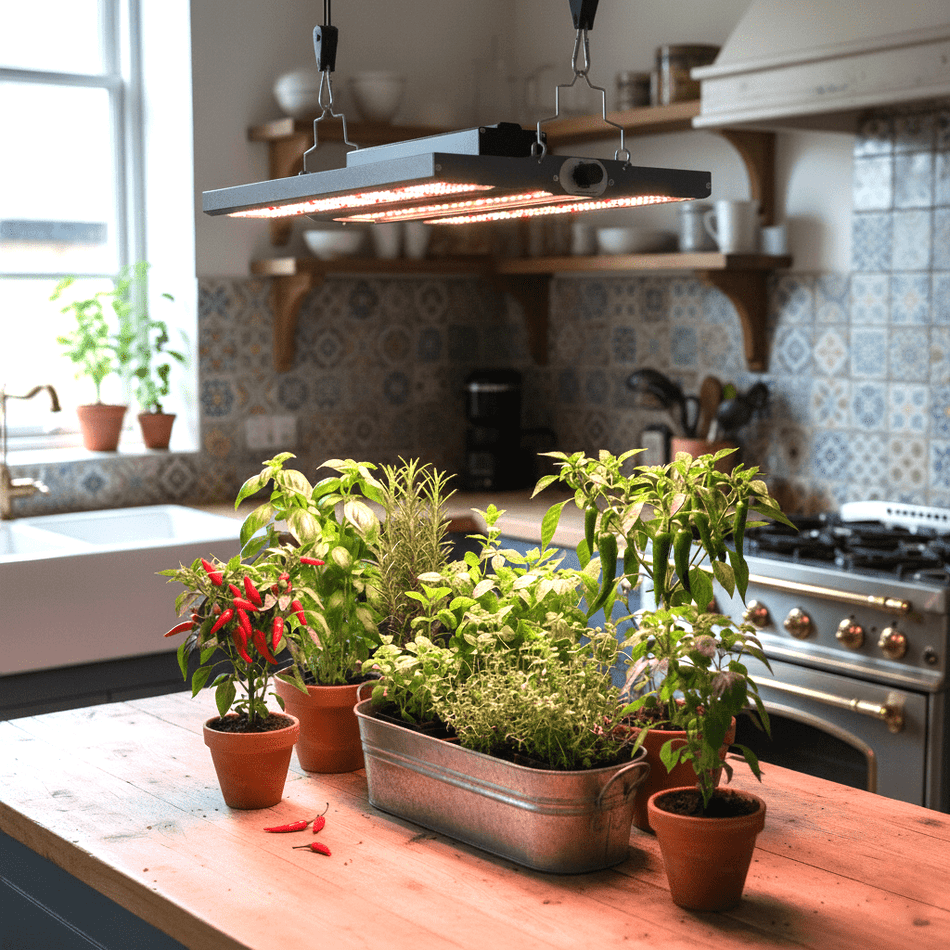
When sowing, what counts is uniform light across the entire seed tray instead of a strong point in the middle - a light bar or a flat panel is clearly better than a spot here. Illuminate seedlings for 14-16 hours, keeping the lamp close to the seedlings from the start to keep them compact. Tomatoes, peppers and chili require significantly more power from the time of pricking than lettuce or herbs. Before moving outdoors, gradually accustom the plants to daylight.
Illuminate houseplants, orchids and alocasia
Green plants such as Monstera, Ficus or Calathea are well supplied with 6 to 20 watts per plant and 10-12 hours of light. Orchids and Alocasia like it gentler: medium intensity, greater distance, no direct jet on the center of the leaf. A consistent rhythm is important - it's better to have the same duration every day rather than irregularly long phases.
Comparison of LED plant lamps for the balcony
Two additional points count outside: moisture protection and fastening. Make sure the lamp and timer have a sufficient IP protection rating and install the lamp under a roof, for example under a balcony porch or in a greenhouse. Light strips with a base are practical for narrow balcony boxes and raised beds, and a panel with a wide beam angle is practical for more densely planted areas. In transitional times and when facing north, the lamp effectively extends the day; in summer it only serves as a supplement on cloudy days.
Order cheap, good quality plant lamps online
When it comes to plant lamps, cheap does not mean weak: an E27 lamp in the low double-digit price range is often sufficient for individual house plants, light strips with a switching timer are higher, and large panels are significantly higher depending on the output. You shouldn't skimp on dimmability and clear spectrum information - this is how you recognize reliable models. Also pay attention to the actual wattage instead of advertised comparison values.
TipBefore purchasing, note the area to be illuminated in centimeters and the maximum hanging height. With these two numbers, the selection is decided in just a few minutes.
Buy plant lamps online at BioGreen – product range at a glance
BioGreen develops technology for cultivation, greenhouses and wintering. The lamp range is structured accordingly: coordinated performance classes plus accessories that go with them.
- Full spectrum LED from 6.5 to 240 watts - for windowsills, plant shelves, beds and winter quarters
- Dimmable models, many with an integrated switching timer for fixed lighting times
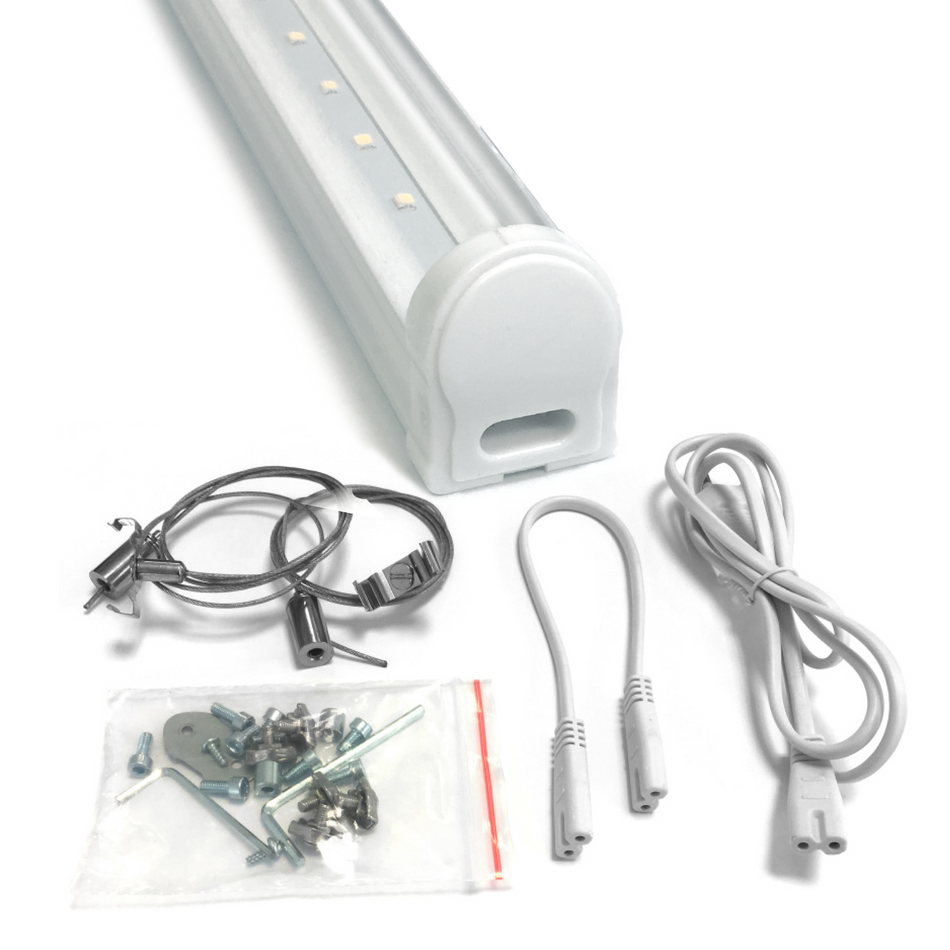
- Compact E27 lamps, light strips in different lengths and large panels
- Accessories such as stands and timers for indoor and outdoor use
- Tested B-stock as a cheaper alternative to new goods
Frequently asked questions about plant lamps
The four questions we receive most frequently – briefly answered:
Which light spectrums are best for plant growth?
The most important are blue for compact leaf growth and red for stretching and flowering. A full spectrum that covers both areas plus green and yellow components works for all growth phases and does not need to be changed between cultivation and flowering. Special blue or red light lamps are only useful for individual phases.
Are there energy efficient LED grow lights for home use?
Yes, LED is the standard technology for plant lamps and requires significantly less electricity to produce the same light output than fluorescent or sodium vapor lamps, and there is hardly any waste heat generated above the foliage. The electricity costs can be easily estimated: watts × hours × days ÷ 1,000 × electricity price. A 20-watt lamp with a running time of 12 hours comes to around 7.2 kWh per month.
Which plant lamp is best for succulents?
Succulents and cacti need a lot of light and have compact growth. A full-spectrum lamp with high intensity and a slight excess of blue, which shines for 12 hours a day at a distance of 20-30 cm, is well suited. You can immediately tell if there is too little light by the stretched, pale growth.
What power should a plant lamp have for an area of 60x60 cm?
For 60 × 60 cm, 40-70 watts of full spectrum LED are sufficient for cultivation, herbs and salad, 60-100 watts are suitable for house and green plants, and for fruit vegetables such as tomatoes or chili it should be 100-150 watts. A dimmable model in the upper area can be turned down if necessary.
Now choose the right plant lamp: Below you can see the complete range with performance, price and availability at a glance.